Selected Coverage
“Farideh Shahsavarani: Longing for a Green World” — Artist’s Reception in Chicago
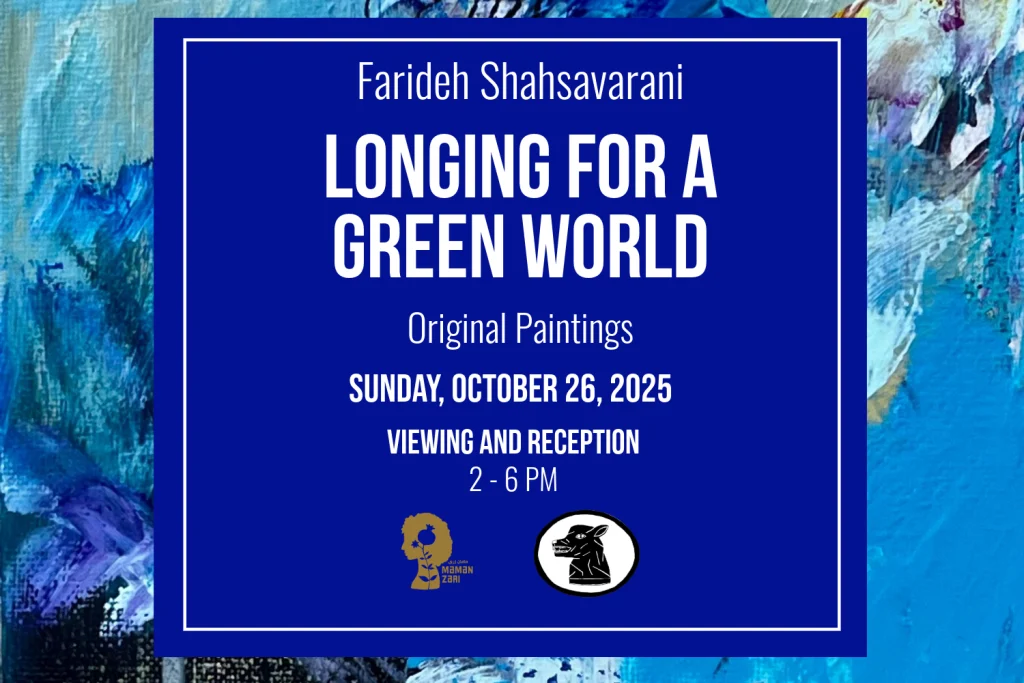
Longing for a Green World – Artist’s Reception
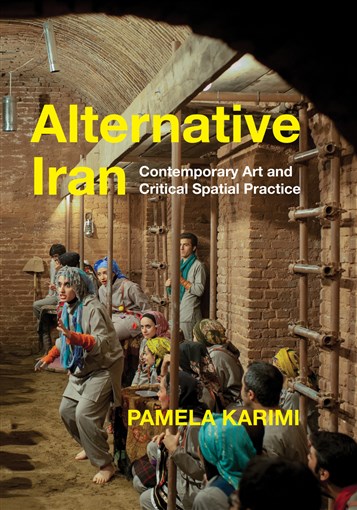
Pamela Karimi, Alternative Iran: Contemporary Art and Critical Spatial Practice
I Wrote, You Read (2006): A Monumental Site-Specific Installation
The Context
In 2006, on the eve of significant political shifts and the imposition of further restrictions on journalists, the abandoned headquarters of the most prominent state-run Iranian newspaper, Ettela’at, became a platform for a monumental installation by Farideh Shahsavarani. Having vacated the building near the historic Toopkhaneh Square in 2005, the space provided a haunting, perfect backdrop for a project aiming to invite the participation of ordinary people from all walks of life, rather than targeting the typical, elite gallery spaces of northern Tehran.
The Installation: A Commentary on Censorship
Titled I Wrote, You Read (Neveshtam, khandi), the work served as a profound commentary on government censorship, which had reached its peak after years of relative freedom. In collaboration with ten laborers, Shahsavarani worked around the clock for twenty days to prepare the space.
The installation was a multi-sensory Gesamtkunstwerk. Visitors walked through the cold, abandoned halls, interacting with newspapers trapped in barbed-wire stands. Walls, windows, and ceilings were completely covered in newsprint. The atmosphere was punctuated by a series of original videos accompanied by the relentless sounds of typewriters and sirens. While the majority of the exhibition was bathed in blue light, a small room was dedicated to the memory of journalists arrested and detained by the state; this room stood out, illuminated by warm, contrasting light.
An Embodied Experience
This installation moved beyond visual appreciation to create an embodied form of art. As visitors navigated the repressive space, physical and emotional responses of discomfort, rage, and unease emerged—feelings that shifted from the architecture to the bodies of the viewers themselves.
One student, blindfolded to heighten her tactile experience of the space, captured the essence of the show in her reflection:
“I am walking on the news that were written a while back. I have a feeling that some contain inaccurate reporting about individuals who were probably betrayed. Now they are all gone. I feel like I am stepping on these individuals… The sound of the clock and a looming menace.”
Significance
Shahsavarani’s installation marked a radical shift in engagement with the site. She expanded the concept of “site-specific art,” moving it beyond aesthetic merit to highlight the social and political connotations of the location. By positioning the artwork within the political conditions of its time, she created a space where the artwork, the viewer, and the history of the building were inextricably linked, ultimately affirming that unhappy effects can provide an alternative set of imaginings for a better future.
Pamela Karimi: Alternative Iran: Contemporary Art and Critical Spatial Practice
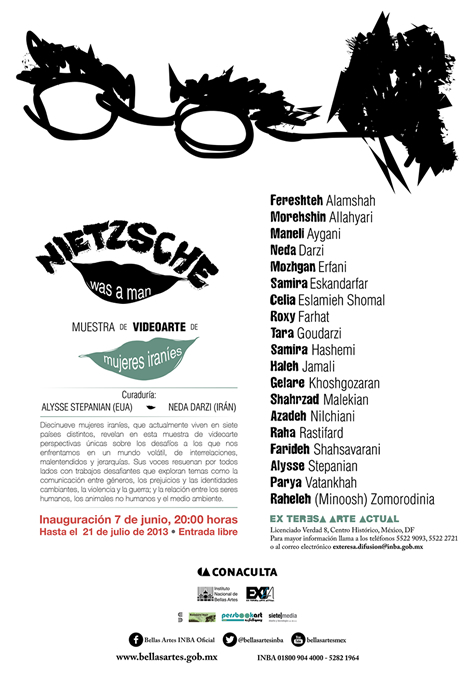
فریده شاهسوارانی – سیزدهمین رویداد هنر معاصر پرسبوک
Magiran | روزنامه آفتاب یزد (1387/04/03): شاهسوارانی، نامزد دریافت جایزه جشنواره مسکو شد
پورتال فرهنگستان هنر جمهوری اسلامی ايران – اخبار > نمایش هنر معاصر ایران در ایتالیا
فریده شاهسوارانی: برقراری ارتباط بین هنرمندان و زندگی روزمره مردم اهمیت دارد – خبرگزاری آنا
آوازه هنر ایرانی در سیدنی استرالیا
نمایش آثار ٢٠ ویدئو آرتیست زن ایرانی در فنلاند
نوشتم، خواندی و دیدم – همشهری آنلاین
نمایشگاه هشت هنرمند ایرانی در “توتال آرت” دبی – اخبار سینمای ایران و جهان – سینماپرس
https://dehgani1.rssing.com/chan-8884045/article7.html?zx=814
فرهنگستان هنر جمهوري اسلامي ايران– نمایش هنر معاصر ایران در ایتالیا
https://www.360cities.net/image/aun-art-gallery-nov-2012-duality-farideh-shahsavarani-02-tehran